
American Healthcare; The Ongoing Struggle
One of my assignments this week was to see a documentary called The Waiting Room, at Cinematheque, a small theatre in Winnipeg’s Exchange District. (I know right, how fitting since I just ranted about medical clinics in my last blog post.) So this week we move from medical clinics to emergency rooms.
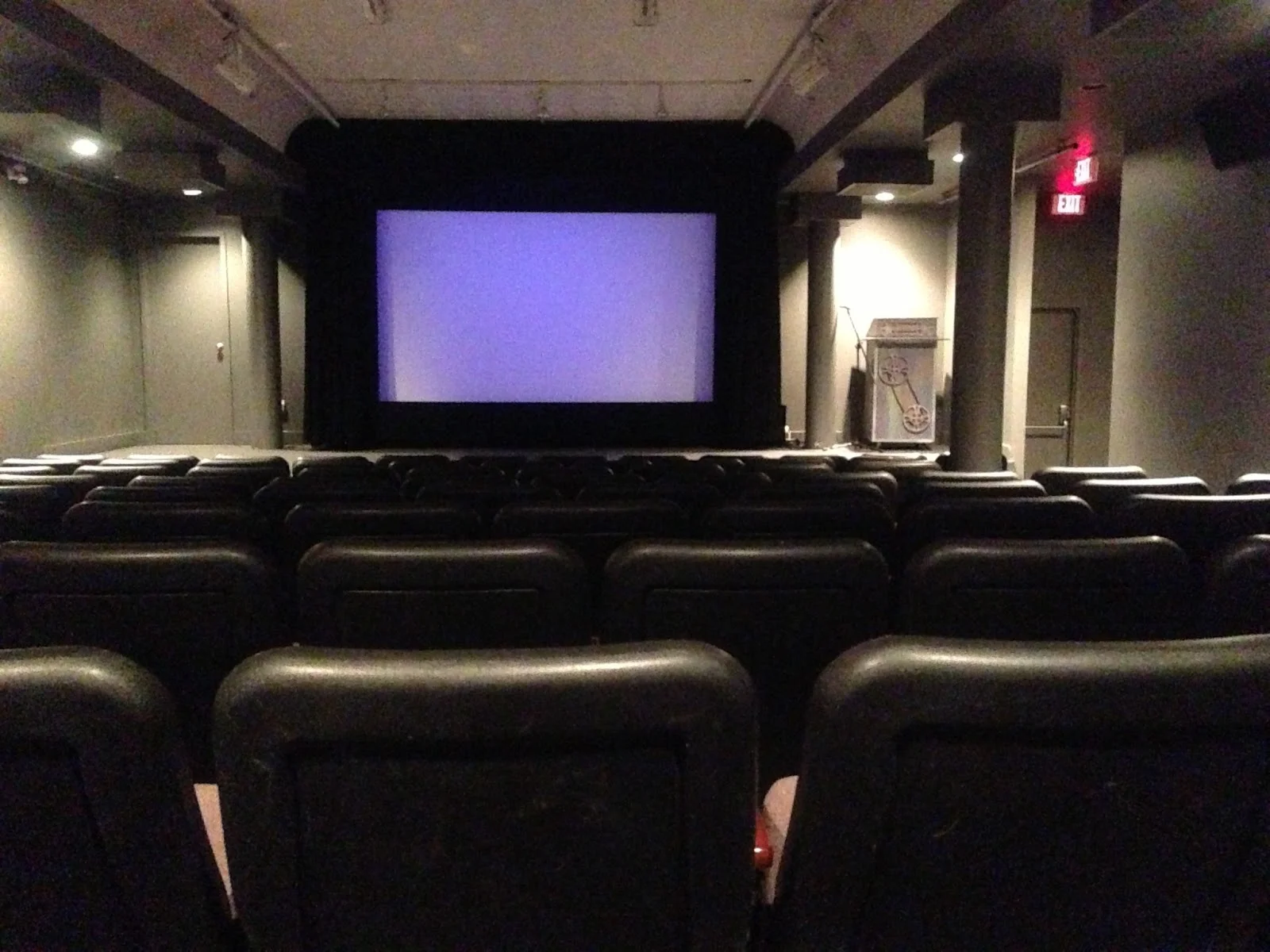
Cinematheque theatre, it was quite cozy.
The Waiting Room is about America’s healthcare system. It shows a usual 24 hour day at the Highland Hospital in Oakland, one of America’s busiest emergency rooms.
The documentary features self-narrations from both the medical staff and their patients. I really enjoyed how it shows the conversations people have while in the waiting room.
At first patients would complain about the long wait (which was hours at a time), but once the initial frustration started to subside, people began sharing their stories. They talked about their injuries, the hurdles they went through to reach the hospital and what finally getting through to a doctor meant for them.
The majority of the patients shown at the Highland Hospital were of low incomes. There were a lot of immigrants and people who had been laid off from work. By focusing on these demographics, the documentary displays how large medical bills place strains on those who have no other option but to accept the debt to help themselves or those they love.
The documentary also shares the medical staff’s stories. It displays their hectic work shifts of addressing patients directly (from treating minor wounds to performing life-saving surgeries) and managing the chaos from behind the scenes (scrambling to find extra bed space for incoming patients).
The Waiting Room allows people to tell their own stories rather than having a distinct narration. This emphasizes what they are going through and puts their stories into perspective so the viewer feels as though they are sitting next to them in the waiting room.
For the most part, I was not impressed with the camera work in this documentary. Almost all of the shots used a technique called a rack focus. This is where you have 2 objects (one in front and the other behind) and one object is in focus while the other is blurry.

This is a photo I took for a school assignment using a rack focus. The hand is blurry while the face is clear.
They used the rack focus at every opportunity they could find. In some scenes someone would be talking and then suddenly they would become blurry, and the focus would be on the person listening beside them. After a while it just got annoying.
I think that this technique would have worked great it they did not use it 24/7 and at inappropriate times. I actually started to get a headache from watching the screen blurr and focus so many times.
If this technique was intended to imitate the dizzy/feverish feeling of the patients, then mission complete.
However, the cameras did a good job at using a lot of extreme close ups to dramatize emotions. They also created a realistic feel by making the camera seem invisible by making sure people did not look directly into the camera while speaking.
To add to the realistic feel, the film did not include any added background music. The only sounds used were of the hospital which creates a hectic tone.
After watching The Waiting Room, I was surprised that it did not give any context or facts about the American healthcare system. It also did not offer any conclusions about the situation there and instead left it open ended. I found that this made me ask questions and think about the topic more than if they would have wrapped it up with answers or opinions.
This documentary has really made me appreciate the health care we have as Canadians. Yes we do have long waits but I’m fortunate to have a great doctor who always makes time to schedule me into her busy day (even if I have to wait hours to get in). She has been my doctor since she delivered me in the hospital; she knows my medical history from my date of birth and prescribes me the medication I need when I am sick.
According to Canadian Institute for Health Information, “Family physicians are the most common point of first contact for primary health care services. The majority (85%) of Canadians aged 12 and older report having a regular family physician, but report waiting an average of 2 days to see one for routine or ongoing care.”
We may have long waits but at least most of us have family doctors and we don’t suffer from huge medical expenses to the same extent that Americans do.