
Why Protein Matters More Than You Think
When most people think about protein, they think “muscles.” And yes, protein is essential for building and repairing muscle tissue. But its impact goes far beyond aesthetics or the number on the scale. Protein supports how you move, how you think, how you recover, and how long you stay strong and independent as you age.
Let’s break down why this one nutrient matters more than you might think.

1. Recovery, Strength and Staying Full
Every time you train, you create tiny micro tears in your muscles. Protein provides the amino acids your body needs to repair those fibers and rebuild them stronger. This is how progress actually happens.
Protein also plays a huge role in satiety, which is the feeling of fullness. Meals with adequate protein help you feel fuller for longer, stabilize blood sugar, and reduce constant snacking or energy crashes. Strong muscles and steady energy lead to better workouts and better days.
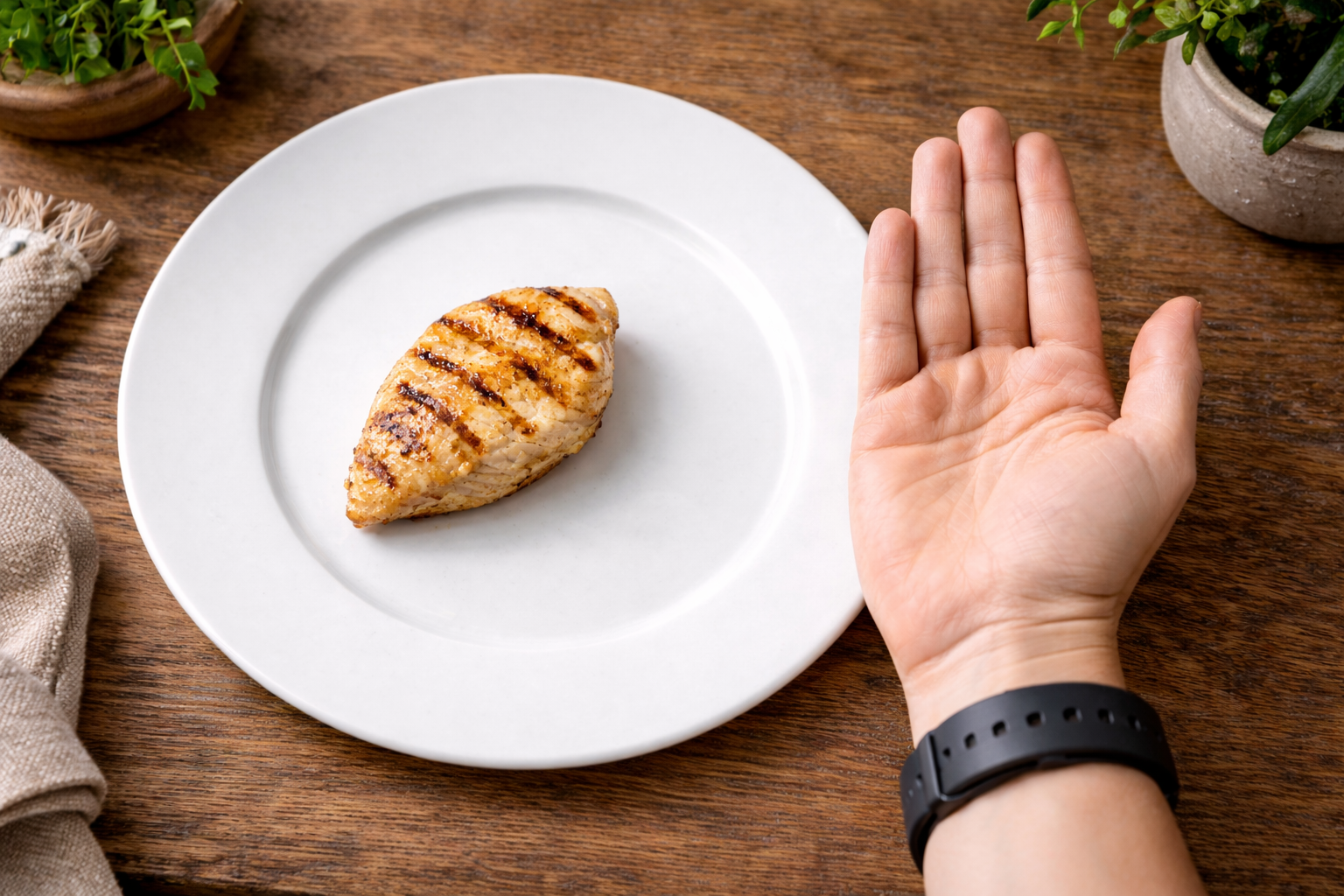
2. How Much Do You Really Need?
A simple, practical guideline I give clients:
Women: 1 palm sized portion of protein at each meal
Men: 2 palm sized portions of protein at each meal
This method automatically scales to body size and works well for most active adults.
If you prefer numbers, protein needs are slightly different for women and men who train regularly.
Women: about 1.4 to 1.8 grams per kilogram of bodyweight per day
Men: about 1.6 to 2.2 grams per kilogram of bodyweight per day
Here are two real life examples:
Woman, 160 lb (72.5 kg):
72.5 × 1.4 = 102 g per day
72.5 × 1.8 = 131 g per day
→ Target range: 100 to 130 grams of protein per dayMan, 180 lb (81.5 kg):
81.5 × 1.6 = 130 g per day
81.5 × 2.2 = 179 g per day
→ Target range: 130 to 180 grams of protein per day
Spread protein across your meals. Your body uses it best when you feed it consistently, not all at once.
3. Your Brain Runs on Protein Too

Protein isn’t just for your muscles. It is critical for your nervous system.
Amino acids are used to make neurotransmitters that affect:
Focus
Mood
Motivation
Memory
If you have ever felt foggy, flat, or unfocused while under eating protein, this is often why. Feeding your brain properly matters just as much as feeding your body.
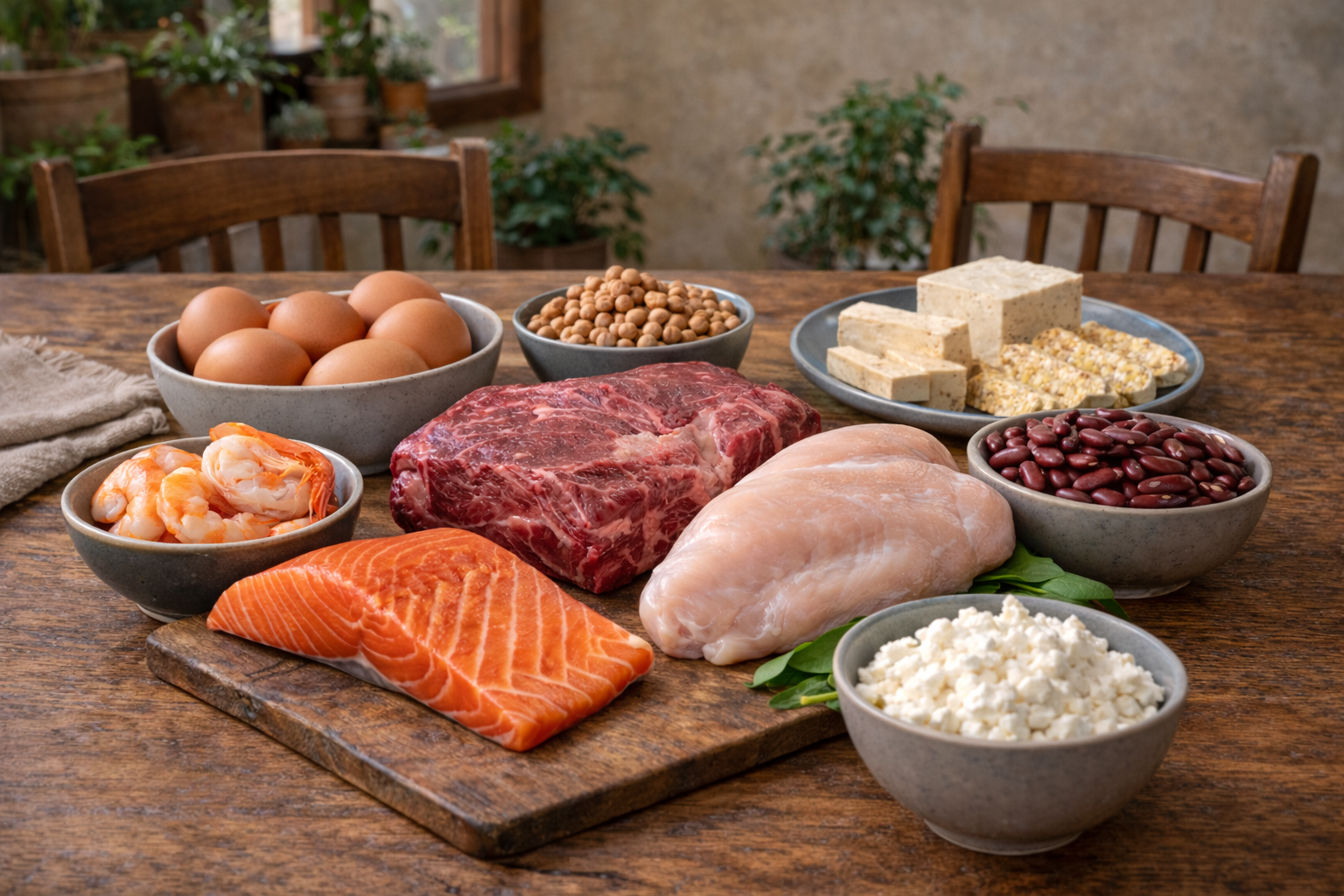
4. Choose Real, High Quality Sources
Not all protein is created equal.
Prioritize:
Eggs
Fish and seafood
Chicken and turkey
Lean red meat
Greek yogurt
Cottage cheese
Legumes, tofu, tempeh
Limit highly processed meats such as sausages, deli meats, and hot dogs. These are often high in sodium, additives and lower in overall nutritional quality.
The goal is simple: real food, minimally processed, high in nutrients.

5. Protein, Strength and Aging Well
Here’s a benefit people rarely talk about.
As we age, loss of muscle mass is one of the biggest predictors of:
Reduced strength and mobility
Higher risk of falls and fractures
Loss of independence
Adequate protein, combined with resistance training, helps preserve:
Skeletal muscle
Bone density
The strength you need for daily life
This is not about aesthetics. It is about staying capable, resilient and independent for decades.

The Takeaway
Protein is not about bulking.
It is about:
Recovering faster
Thinking clearer
Staying fuller
Moving better
Aging stronger
This is just the foundation. If you would like support building strength, confidence and consistency, I invite you to book a free movement assessment so we can explore the right programming options for you.